Understanding the psychological tricks that drive gambling behavior
The allure of gambling: Understanding the excitement
The thrill of gambling often stems from the excitement it evokes. People are naturally drawn to activities that offer a rush of adrenaline, and gambling is no exception. The prospect of winning a large sum can stimulate feelings of euphoria, which compels individuals to place bets, even when the odds are against them. This excitement acts as a powerful motivator, overshadowing the potential for loss. Many find themselves exploring casino sites not on gamstop as a way to chase this adrenaline rush further.
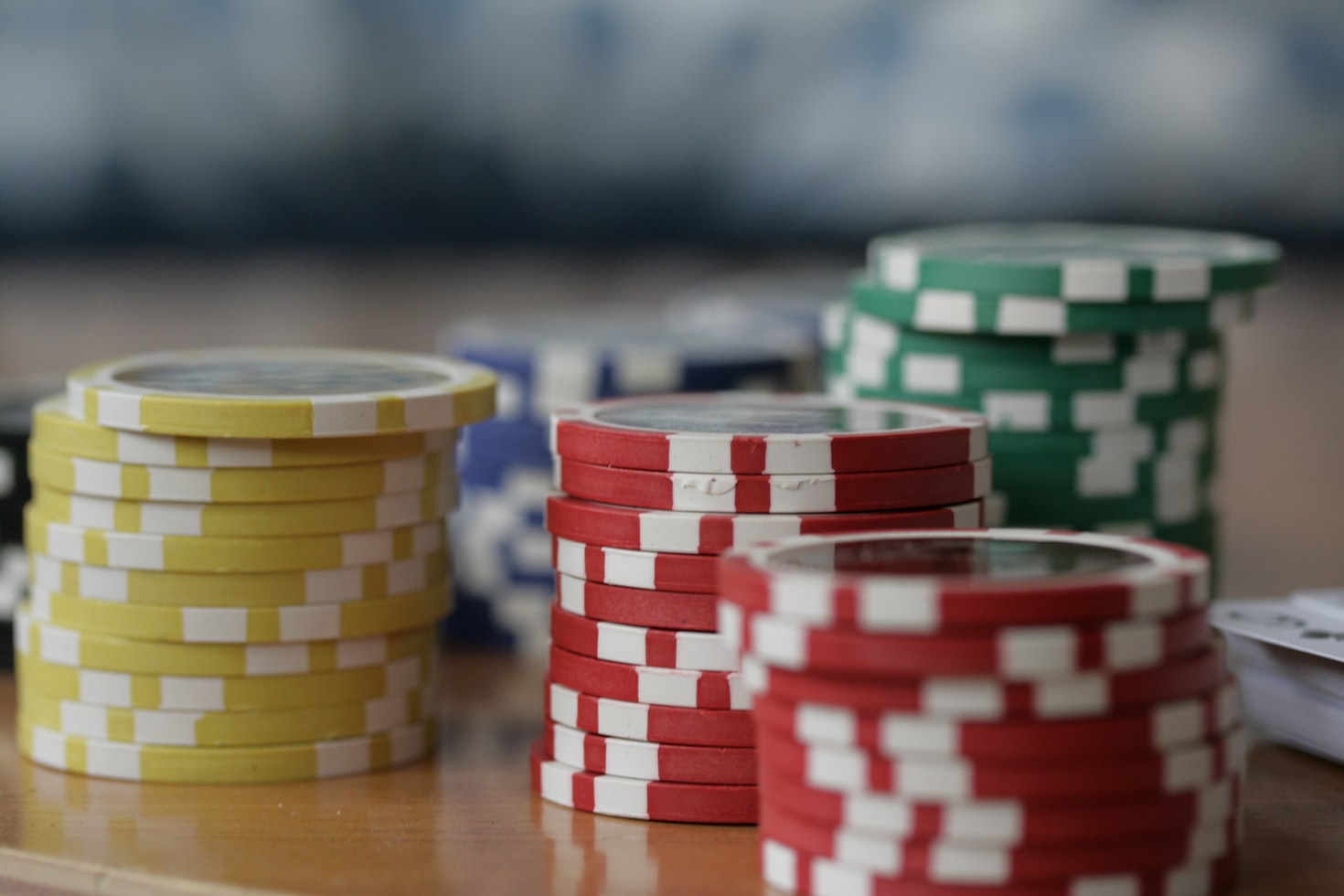
Moreover, the environment of casinos and betting establishments is meticulously designed to amplify this excitement. From the sounds of coins clinking to the flashing lights of slot machines, every element is crafted to enhance the sensory experience. This immersive atmosphere can create an almost hypnotic effect, making it easy for individuals to lose track of time and money while pursuing that next win.
The illusion of control in gambling
Many gamblers believe they have some control over the outcome of their bets, even in games of chance. This illusion of control can lead individuals to make riskier choices, often resulting in greater losses. Gamblers may employ strategies or rituals that they believe will influence their luck, from specific betting patterns to lucky charms. These beliefs can create a false sense of agency, encouraging continued play despite negative results.
Psychological research shows that this illusion is especially potent in games like poker, where skill plays a role in outcomes. Players often attribute their wins to skill rather than luck, reinforcing the belief that they can influence future results. This mindset can result in a cycle of behavior where individuals keep gambling in the hope of recapturing earlier successes.
The impact of social dynamics on gambling behavior
Gambling is often a social activity, and the presence of others can significantly influence an individual’s behavior. When people gamble in groups, they may feel pressured to continue playing or to increase their bets to match the group’s enthusiasm. This collective behavior can escalate risk-taking and contribute to larger losses.
Furthermore, the social aspect of gambling can create a sense of belonging and community. For many, the camaraderie formed at the gaming table or slot machine can reinforce their desire to engage in gambling activities. This social reinforcement can make it difficult for individuals to recognize when their behavior is becoming problematic.
The role of rewards and reinforcement in gambling
Gambling operates heavily on principles of reward and reinforcement. The excitement of winning, however infrequent, serves as a powerful incentive to continue gambling. This intermittent reinforcement schedule—where wins are sporadic—can lead to compulsive gambling behaviors, as players chase the high of their last win. The brain’s reward system is activated during these moments, making it feel rewarding to keep playing.
Additionally, casinos use techniques like loyalty programs and bonuses to further enhance this behavior. These incentives can create a sense of commitment to the gambling establishment, making it challenging for individuals to walk away even when they are in a losing streak. The lure of potential rewards keeps players engaged, often against their better judgment.

Conclusion: The intersection of psychology and gambling behavior
Understanding the psychological tricks that drive gambling behavior is crucial for both players and those who support them. By recognizing the allure of excitement, the illusion of control, the influence of social dynamics, and the role of rewards, individuals can better navigate their gambling experiences. Awareness is the first step toward responsible gambling and avoiding the pitfalls of addiction.
For more insights into the world of gambling and its psychological aspects, consider exploring various resources. Being informed can empower individuals to make healthier choices and enjoy gambling as a form of entertainment rather than a source of stress or anxiety.